
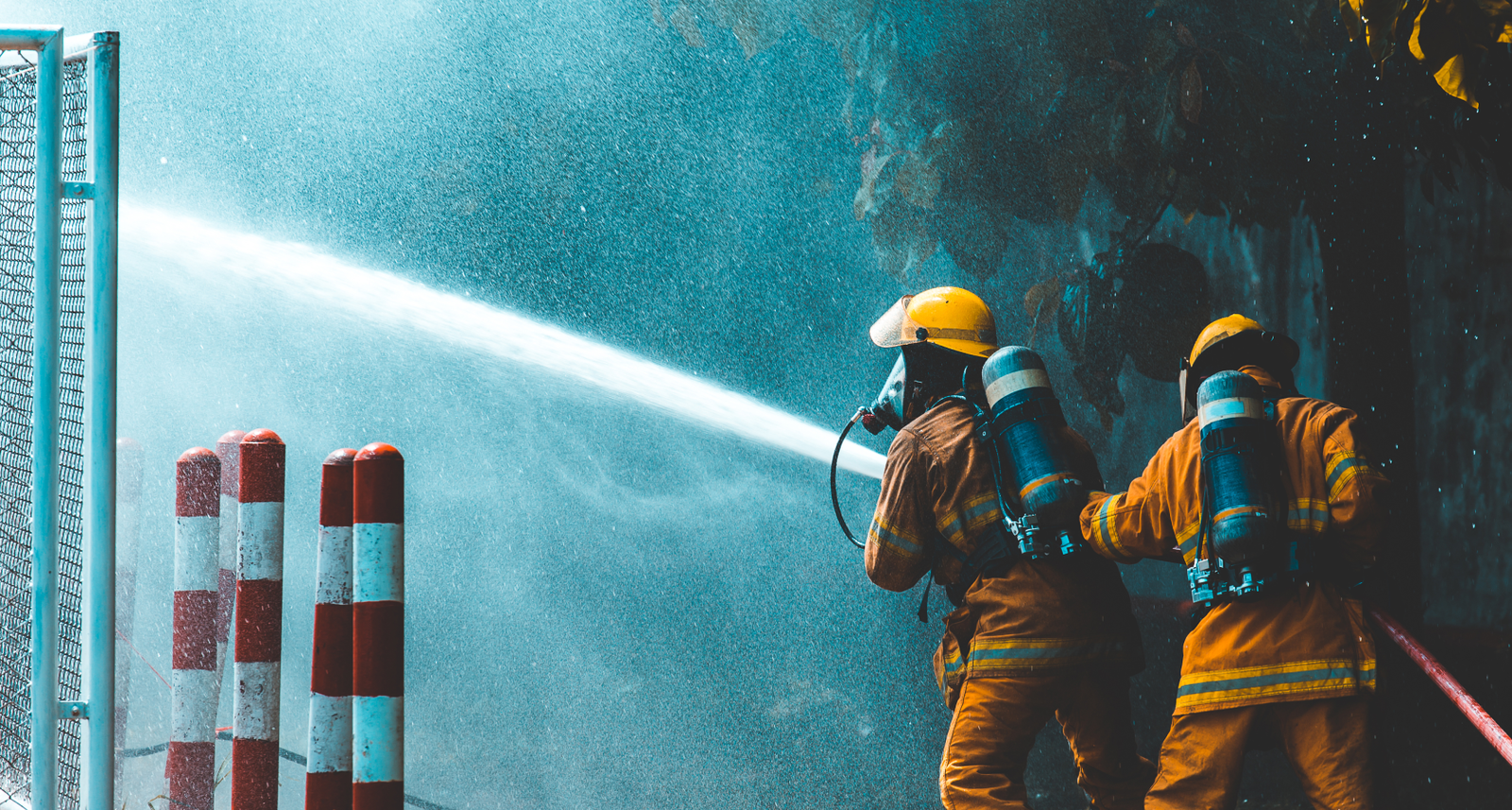
Fire safety helps protect lives, property, and the environment. Learn the basics of fire safety, common causes of fires, prevention methods, and emergency response in this easy-to-understand guide.
Introduction to Fire Safety
Fire safety refers to the measures and practices used to prevent fires and reduce the damage they cause. Fires can occur in homes, workplaces, public buildings, and industrial areas, often due to simple mistakes or unsafe conditions. For a general audience, understanding fire safety means knowing how fires start, how to prevent them, and how to respond effectively during a fire emergency.
What Is Fire Safety?
Fire safety involves fire prevention, fire protection, and emergency response. It includes safe handling of flammable materials, proper use of electrical equipment, installation of fire detection systems, and training people on evacuation procedures.
Important Point: Fire safety is not only about fighting fires, but about preventing them before they start.
Importance of Fire Safety
Fire safety is essential because fires can cause loss of life, serious injuries, property damage, and environmental harm. A strong fire safety system helps reduce risks, protect people, and minimize financial losses. Fire safety awareness also ensures compliance with legal and safety regulations.
Key Benefits of Fire Safety include protection of lives, reduced property damage, faster emergency response, and improved safety awareness.
Common Causes of Fire
Understanding how fires start is critical for prevention. Fires commonly occur due to electrical faults, overloaded circuits, careless use of cooking equipment, smoking materials, flammable liquids, and poor housekeeping.
Important Point: Most fires are preventable with proper awareness and safe practices.
Fire safety is based on controlling the fire triangle, which consists of heat, fuel, and oxygen. Removing any one of these elements can stop a fire. Preventive measures focus on reducing heat sources, controlling flammable materials, and limiting oxygen exposure where possible.
Fire prevention involves identifying hazards and taking steps to reduce risks. This includes maintaining electrical systems, storing flammable materials safely, keeping exits clear, and avoiding unsafe practices such as unattended cooking or smoking indoors.
Key Fire Prevention Points:
-
Regular inspection of electrical equipment
-
Safe storage of flammable substances
-
Good housekeeping to reduce fire load
-
Clear emergency exits and escape routes
-
Fire Protection Systems
Fire protection systems help detect and control fires quickly. These systems include smoke detectors, fire alarms, fire extinguishers, sprinklers, and fire-resistant building materials.
Important Point: Early detection saves lives and reduces damage.
Fire Emergency Response
Knowing how to respond during a fire is crucial. People should stay calm, raise the alarm, evacuate immediately using designated escape routes, and never use elevators during a fire. Fire extinguishers should only be used if the fire is small and the person is trained.
Key Response Rule: Life safety always comes before property protection.
Example of Fire Safety in Real Life
Example:
In an office building, a small fire started due to an overloaded power extension. Because the office had smoke detectors and trained staff, the alarm was raised immediately. Employees followed the evacuation plan, and a trained staff member used a fire extinguisher to control the fire before it spread. As a result, there were no injuries and minimal damage.Important Lesson: Fire safety systems and training can prevent small incidents from becoming major disasters.
-
Fire Safety Responsibilities
Fire safety is a shared responsibility. Building owners and employers must provide fire safety equipment, conduct risk assessments, and train occupants. Individuals must follow safety rules, report hazards, and participate in fire drills.
Key Point: Fire safety works best when everyone plays their part.
Fire safety is essential for protecting lives, property, and the environment. By understanding fire risks, following prevention measures, and knowing how to respond in emergencies, individuals and organizations can significantly reduce fire-related incidents. Awareness, preparation, and quick action are the keys to effective fire safety.
Tags:
You May Also Like
-
Sep 20, 2022
Health and safety is essential in workplaces, homes, and public areas. Learn the basics, importance, principles, and best practices of...

-
Aug 20, 2022
Lorem ipsum dolor sit amet, consectetur adipiscing elit, sed do eiusmod tempor incididunt ut labore et dolore magna aliqua
Sign up to receive our latest Thalen EquiBridge updates
Get in touch
Call us directly?
+971 55 258 5607
+92 345 756 0668
+966 59 215 5813
+92 345 756 0668
+966 59 215 5813
Address
Saudia Arabia, UAE & Pakistan
globaltrainings.pk@gmail.com
