
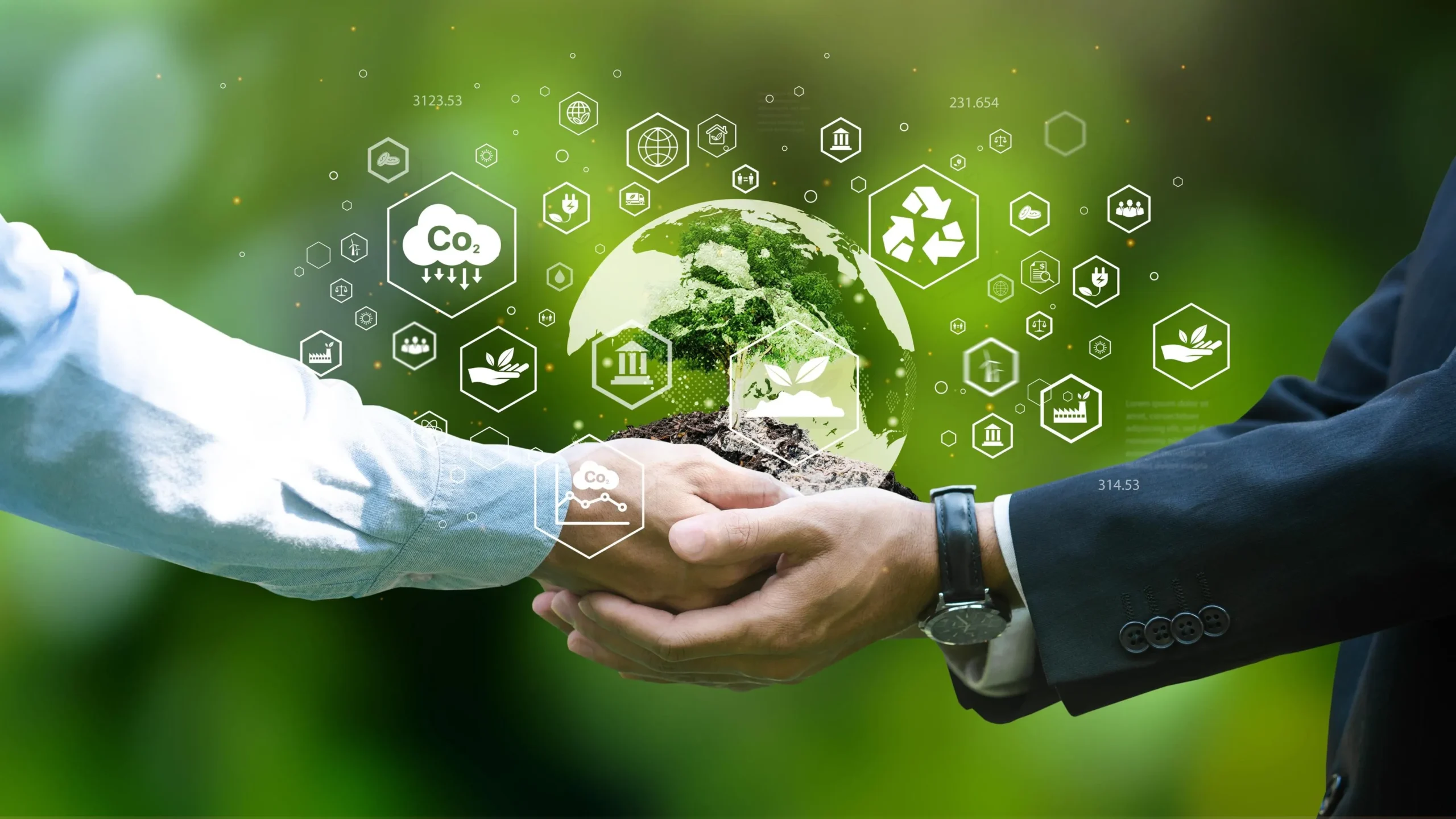
Environmental management helps organizations and individuals reduce environmental impact and promote sustainability. Learn the principles, importance, and practices of environmental management in this beginner to intermediate guide.
Introduction to Environmental Management
Environmental management is the systematic approach to controlling and reducing the impact of human activities on the natural environment. It focuses on protecting air, water, land, and natural resources while supporting sustainable development. For beginners, environmental management introduces basic concepts such as pollution control and waste management. For intermediate learners, it involves understanding environmental systems, compliance, risk assessment, and continuous improvement.
Environmental management is essential for protecting the planet and ensuring long-term sustainability. Poor environmental practices lead to pollution, climate change, resource depletion, and health risks. By applying environmental management principles, organizations can reduce waste, conserve resources, and improve efficiency.
Key Benefits of Environmental Management include reduced environmental impact, legal compliance, improved public image, cost savings, and better resource utilization.
An environmental aspect is any activity or product that interacts with the environment, while an environmental impact is the change caused by that interaction. For example, energy use is an environmental aspect, and greenhouse gas emissions are the environmental impact.
Important Point: Identifying environmental aspects and impacts is the foundation of effective environmental management.
Environmental management is guided by several key principles. These include pollution prevention, sustainable resource use, legal compliance, and continuous improvement. Organizations are encouraged to adopt a proactive approach by preventing environmental damage rather than correcting it after it occurs.
Principle: Prevention is always more effective and less costly than remediation.
Environmental Management Systems (EMS)
An Environmental Management System (EMS) is a structured framework that helps organizations manage environmental responsibilities effectively. EMS integrates environmental policies, objectives, procedures, monitoring, and reviews into daily operations.
Key Highlight: International standards such as ISO 14001 provide guidelines for establishing and maintaining an effective EMS.
Environmental management is a shared responsibility. Organizations must establish policies, provide training, and monitor environmental performance. Employees and individuals must follow procedures, use resources responsibly, and report environmental concerns.
Awareness and participation at all levels are critical for successful environmental management.
-
Environmental management focuses on reducing negative impacts of human activities on air, water, land, and natural resources.
-
It helps organizations and individuals use resources efficiently and avoid environmental damage.
-
Identifying environmental aspects and impacts is the first step in managing environmental risks.
-
Pollution prevention is a core principle, aiming to reduce waste and emissions at the source.
-
Environmental risk assessment helps evaluate potential environmental hazards and prioritize control measures.
-
An Environmental Management System (EMS) provides a structured approach to planning, implementing, and monitoring environmental practices.
-
Waste management and recycling play a major role in reducing environmental pollution.
-
Resource conservation, including energy and water efficiency, supports long-term sustainability.
-
Compliance with environmental laws and regulations is a legal and ethical responsibility.
-
Environmental management requires active participation from organizations, employees, and individuals.
Environmental management is essential for protecting the environment and ensuring sustainable development. By understanding environmental risks and adopting responsible practices, both beginners and intermediate learners can contribute to a cleaner, safer, and healthier planet. Small actions, when practiced consistently, lead to meaningful environmental change and long-term sustainability.
Tags:
Leave A Reply Cancel reply
You May Also Like

-
Aug 20, 2025
Plant maintenance ensures smooth operation of equipment and facilities. Learn about the different types of plant maintenance, their importance, and...
-
Jul 20, 2025
Fire safety helps protect lives, property, and the environment. Learn the basics of fire safety, common causes of fires, prevention...
-
Sep 20, 2022
Health and safety is essential in workplaces, homes, and public areas. Learn the basics, importance, principles, and best practices of...
Sign up to receive our latest Thalen EquiBridge updates
Get in touch
Call us directly?
+971 55 258 5607
+92 345 756 0668
+966 59 215 5813
+92 345 756 0668
+966 59 215 5813
Address
Saudia Arabia, UAE & Pakistan
globaltrainings.pk@gmail.com

2 Comments
Lorem ipsum dolor sit amet, consectetur adipiscing elit, sed do eiusmod tempor incididunt ut labore et dolore magna aliqua.
Sed ut perspiciatis unde omnis iste natus error sit voluptatem accusantium doloremque laudantium