Health and Safety
Health and safety is essential in workplaces, homes, and public areas. Learn the basics, importance, principles, and best practices of health and safety in this complete beginner to intermediate guide.
Introduction to Health and Safety
Health and safety refer to the practices, policies, and procedures designed to protect people from harm, illness, and accidents. Whether at work, school, home, or public places, health and safety play a critical role in ensuring well-being and productivity.
For beginners, health and safety may seem like basic rules. For intermediate learners, it involves understanding risk assessment, hazard control, and compliance with safety standards.
What Is Health and Safety?
Health and safety is a systematic approach to:
-
Preventing injuries and illnesses
-
Reducing workplace and environmental risks
-
Promoting physical and mental well-being
-
Ensuring legal and ethical responsibility
Key Definition
Health focuses on protecting people from illness and long-term harm.
Safety focuses on preventing accidents, injuries, and immediate dangers.
Important Benefits of Health and Safety
- ✔ Reduces accidents and injuries
- ✔ Prevents occupational diseases
- ✔ Improves productivity and morale
- ✔ Reduces medical and legal costs
- ✔ Builds a positive organizational culture
- ✔ Ensures compliance with laws and regulations
Health and safety are important because they prevent accidents, injuries, and occupational diseases. A strong health and safety system reduces medical costs, legal issues, and work disruptions while improving productivity and morale. When people feel safe, they perform better and experience less stress. Health and safety also ensure compliance with laws and regulations, protecting both organizations and individuals from penalties and liabilities.
Hazards are anything that can cause harm, and recognizing them is a key part of health and safety. Physical hazards include slips, trips, falls, noise, and machinery risks. Chemical hazards arise from exposure to harmful substances such as cleaning agents, fumes, or industrial chemicals. Biological hazards involve bacteria, viruses, and other microorganisms, while ergonomic hazards are linked to poor posture and repetitive movements. Psychosocial hazards, such as stress, fatigue, and workplace bullying, can affect mental health and overall performance.
The foundation of health and safety is based on a few core principles. These include identifying hazards, assessing the risks they pose, and applying suitable control measures to reduce or eliminate those risks. Training and education are essential so that individuals understand safety procedures and know how to respond in emergencies. Health and safety is an ongoing process that requires regular review and improvement.
Risk assessment is a key concept for intermediate learners. It is a structured method used to evaluate potential hazards and determine how likely they are to cause harm. The process involves identifying hazards, deciding who might be affected, evaluating the level of risk, implementing control measures, recording findings, and reviewing them regularly. Risk assessments help prevent accidents before they occur and ensure that safety measures remain effective.
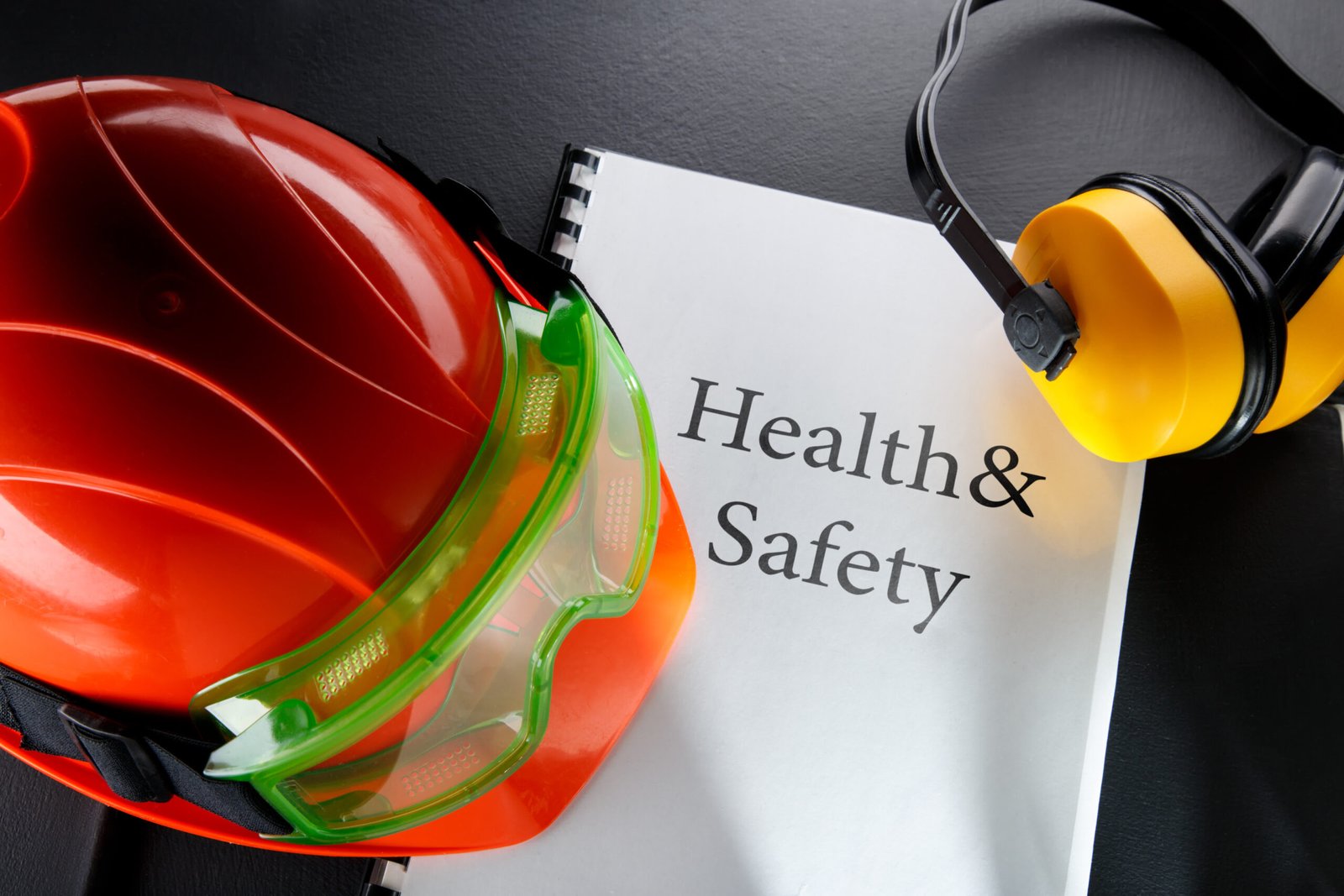
Controlling risks is done using the hierarchy of controls, which prioritizes the most effective safety measures. The best approach is to eliminate the hazard completely. If elimination is not possible, substitution with a safer alternative should be considered. Engineering controls such as machine guards and ventilation systems help reduce exposure, while administrative controls include policies, procedures, and training. Personal protective equipment, such as helmets, gloves, and masks, should be used as a last line of defense.
Workplace health and safety best practices include regular inspections, proper training, clear safety signage, and maintaining a clean and organized environment. Employers are responsible for providing safe working conditions, conducting risk assessments, and ensuring compliance with safety laws. Employees also have responsibilities, including following safety procedures, using protective equipment correctly, and reporting hazards or incidents promptly.
The Hierarchy of Controls
This is a key intermediate concept.
- Elimination – Remove the hazard completely
- Substitution – Replace with a safer option
- Engineering Controls – Guards, ventilation
- Administrative Controls – Policies, training
- Personal Protective Equipment (PPE) – Gloves, helmets, masks
Important Point: PPE should be the last line of defense, not the first.

You may also like
Fire Safety